Operator-grade
intelligence for
commercial HVAC.
Independent analysis of estimating, margin and scope control across commercial mechanical contractors. Written for operating partners, platform leadership and diligence teams.

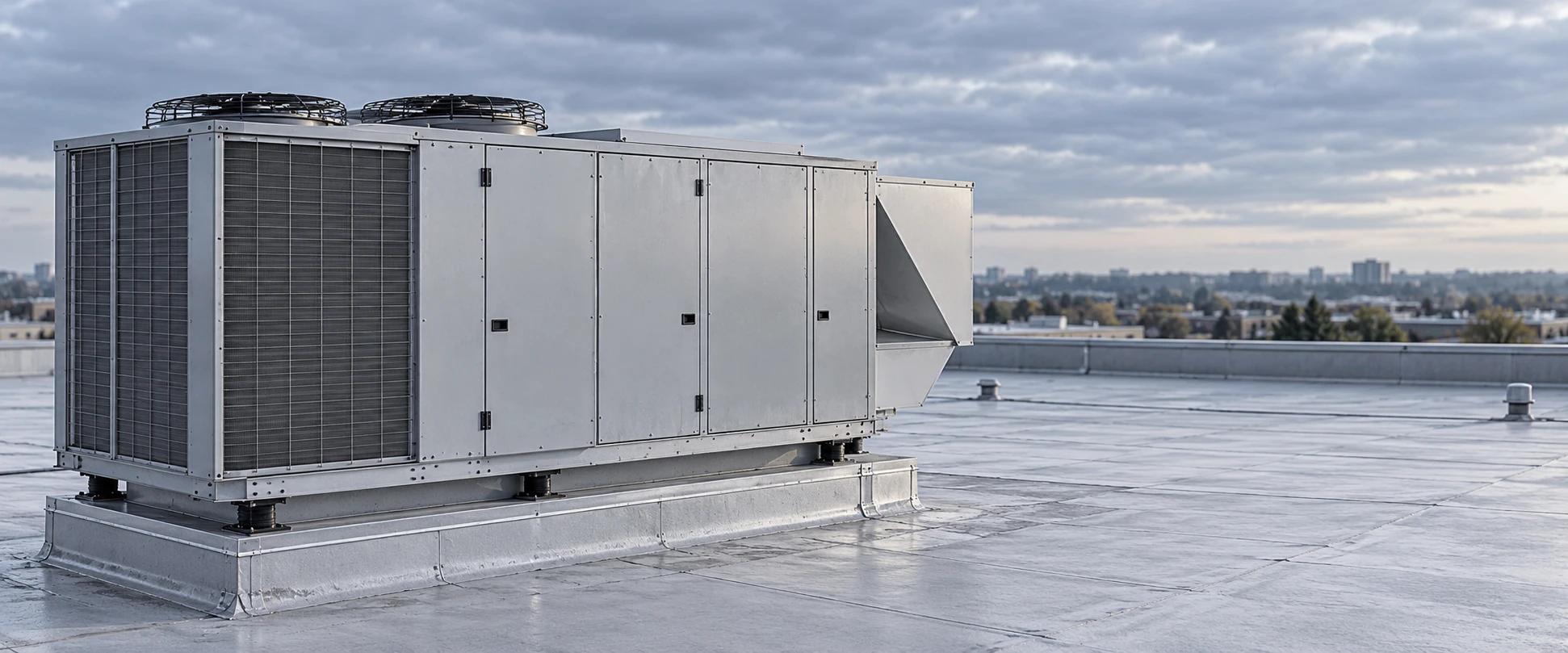
- 01Tag capturedRTU-01 · QTY 1 · The equipment line is only the start.
- 02Allowance, not selectionCURB · Compatibility needs a qualified review.
- 03UnresolvedBAS INTERFACE · Who owns points, integration and testing?
- Commercial HVAC
- Mechanical contracting
- Service & maintenance
- Controls / BAS
- Estimating & preconstruction
- Supplier & OEM pricing
Graphics on this page are illustrative models or fictional examples built to show a method, not market statistics. Tool outputs are planning aids and require review by a qualified estimator. Sources, assumptions and limits are set out in the methodology.
The unit is only
the beginning.
A captured equipment tag is one line of the estimate. Curb, controls, rigging and commissioning decide whether the margin survives.
Test a sample equipment schedule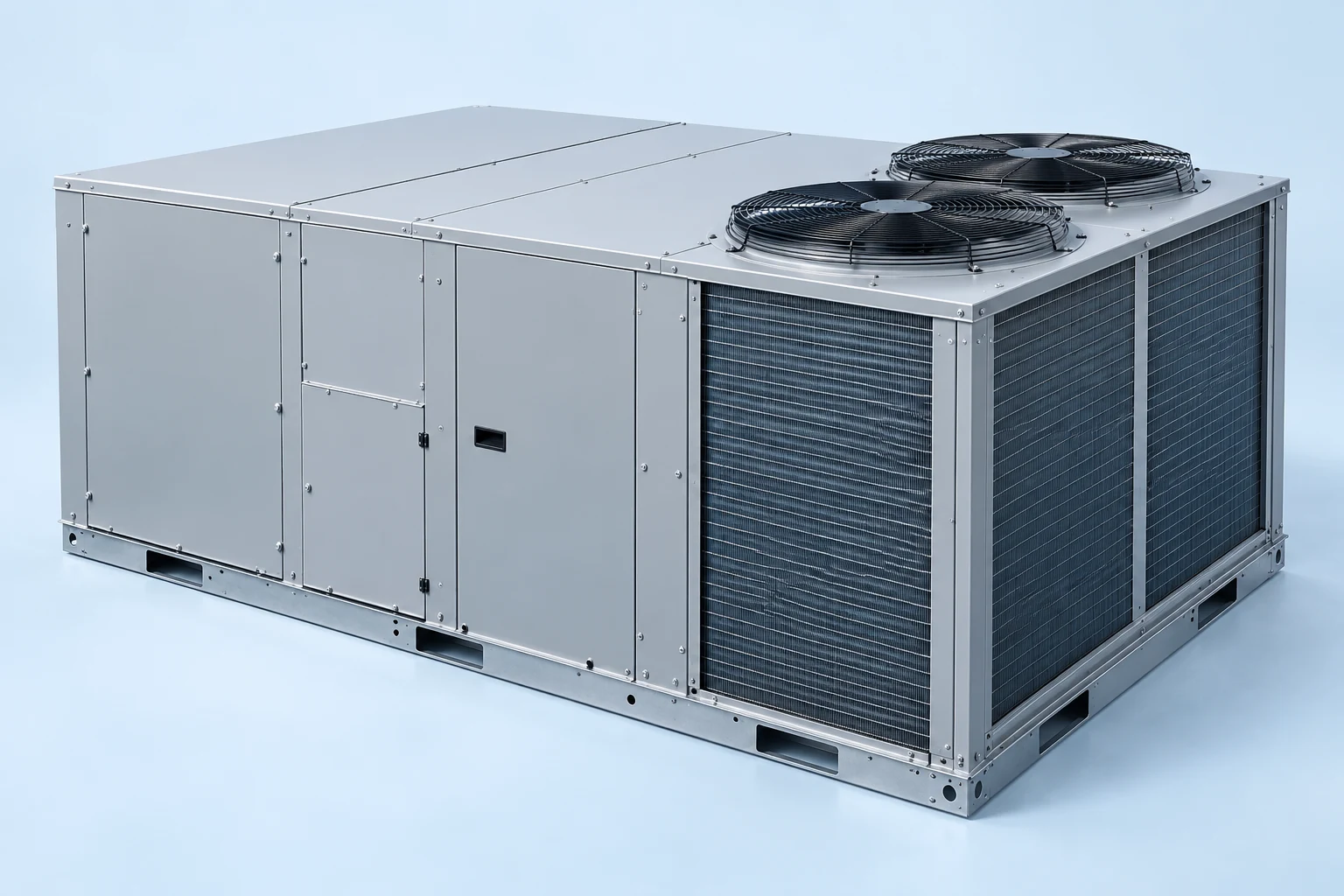
A unit is the starting point.
The tag and quantity identify equipment. Curb, controls, rigging and commissioning still need review.
- Capacity / original unit
- Unresolved
- Voltage
- Unresolved
- Schedule reference
- M-601 · row 1
Estimator effort is not elapsed time.
Distributors and manufacturer reps price the equipment while estimating waits.
Ask: How many price requests are still open when the bid is due?92% of elapsed time is waiting. Start with the hand-off, not the keyboard.
True-scale sequence: effort first, then waiting, using your two inputs.Risk concentrates at the interfaces.
A supplier number is only bid-ready while its validity, model match and commercial conditions still hold.
A $100 supplier price at a 20% markup sells for $120.0: a 16.7% margin on price. Margin is measured on the selling price.
The right method
starts with
the work.
Configure what you have. Buy what fits. Build what you can own. Bring in an expert for a defined gap.
Start with what is already available.
Test an incumbent module or a ready-to-use product against your real bid documents.
- Confirm supported inputs and commercial bid fit
- Check review controls, export and license terms
- Assign an estimator to approve the output
A product demonstration does not establish fit for your bids.
Compare my delivery routesHow governed is the bid process?
Five review boundaries decide whether an automated result can be trusted. Set where each one stands today.
Weakest boundary: Missing prices
Can it handle the next bid, not just the demo?
Hold back an authorized schedule the supplier has never seen. Compare every tag, quantity and original unit with a reviewed register.
Missing or conflicting fields stay visible for the estimator.
Select a boundary name to read its test. Select a cell to set your stage; the profile shown is an example.

Capacity released, at platform scale.
Time released from estimating creates capacity. It is not cash until you can evidence the spend that goes away.
Build the full business caseHours = companies × bids × net minutes ÷ 60. Capacity value = hours × loaded cost × 12. Cash savings need separately evidenced expenditure.
Inside the complete bid.
Questions the first call usually asks.
Every example is labeled, every assumption is editable, and an estimator signs off. Read the methodology
Who is this research for?
Operating partners, platform leadership and estimating teams at commercial HVAC and mechanical contractors, and the diligence teams who support them.
Is this an automation vendor?
No. Bid Assembly is an independent buyer-side research desk. The tools help you compare routes and prepare a controlled pilot; they do not sell an implementation package.
Will the scope builder read my PDF?
This preview accepts bounded pasted CSV and text. It does not extract PDFs, images or drawing geometry. Missing particulars and engineering decisions remain with a qualified reviewer.
Does released time mean cash savings?
No. Capacity value reflects available time at an entered loaded cost. Cash savings require separately evidenced expenditure you can remove.
Where do my inputs and saved reports go?
Calculations run in your browser. Reports you choose to save and briefing requests remain in local browser storage and are not sent. Use synthetic or redacted data and never enter restricted tender material.
Request the briefing.
Bring the bid process.
A short, source-linked read for operating partners and platform leadership. Tell us who you are and the question your team is working on.